
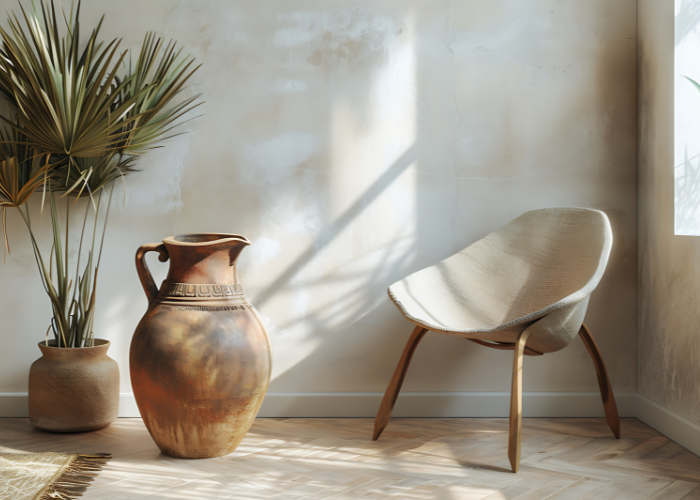
Take a chance on a new décor piece
Décor that starts a conversation.
The value of truly unique décor in your home
Unique décor pieces bring character, soul, and storytelling into your space. While neutral, coordinated interiors offer serenity and style, it’s the unexpected, one-of-a-kind items that give a home its heartbeat. Whether it’s a bespoke sign with a personal quote, a passed-down heirloom, a locally significant object, or a commissioned artwork, these elements act as conversation starters and expressions of identity.
Think outside your comfort zone
Decor like street signs, upcycled appliances, or found-objects often carry history or humour. They inject personality and a sense of place. A rusted old petrol pump in a Karoo farmhouse, for instance, or bold Zulu beadwork in a minimalist urban loft, ties design to story and geography. It brings a bit of the vibrancy of Mzansi to the everyday parts of your life.
Keep it balanced
Incorporating showstopper pieces into your design requires balance. Let the piece take centre stage by giving it space – on a neutral wall, a spotlight shelf, or as the anchor in a themed vignette.
Top tip: Oversized items or bold colours should be used sparingly, allowing them to contrast with more restrained surroundings.
But how do you know if something is too much?
A good rule of thumb: if it overwhelms the room or confuses the eye, it’s competing rather than complementing. Décor should enhance flow, not disrupt it. A piece becomes “too outlandish” when it dominates for shock value alone without resonating with your personality or the room’s function.
Embrace your own story
Truly unique décor says you’re confident, curious, and connected to your memories, your travels, or your creativity. It suggests a home curated with meaning, not just styled for trends. These pieces turn a house into a lived-in, storied, and intriguing space. The key is intention: when an unusual item carries personal value or sparks joy, it will almost always find a place that feels just right.
What to avoid at all costs
While interior design allows for personal expression, certain décor missteps consistently read as bad taste, regardless of style trends or cultural context.
- Cluttered spaces: Overdecorating is a major faux pas. Too many knick-knacks, conflicting styles, or layers of pattern can overwhelm the senses and make a space feel chaotic rather than curated.
- Faux finishes: Fake plants that look plastic, imitation wood or stone that’s visibly artificial, and overly glossy marble-effect laminates can cheapen a space instantly. Authenticity always reads better.
- Word art clichés: Generic mass-produced signs that say “Live, Laugh, Love” or “But first, coffee” lack originality and are now widely regarded as tired and impersonal.
Take a chance: On the other hand, adding a word to this kind of décor to make it ironic, or give it a dark humour twist can be a fun way to show your creativity!
- Oversized furniture in small rooms: Disproportionate pieces that crowd the room ruin functionality and flow, no matter how stylish they may be.
- Poor lighting: Relying on harsh overhead lighting without ambient or task lighting creates a cold, unwelcoming atmosphere. For the perfect lighting, see our discussion on Hygge and how it impacts your space.
- Matching everything too perfectly: Identical furniture sets, and hyper-coordination lack personality and feel dated.
Top Tip: A room or home or space, should be “collected” not “decorated”
A big No-No
Lastly, decor that is culturally insensitive or tone-deaf – such as religious symbols used inappropriately or décor inspired by stereotypes – should always be avoided. Timeless style is grounded in respect, proportion, and authenticity.
Don’t be cringe (decor that can make guests feel uncomfortable)
While your home should reflect your personal style, it’s important to consider how your choices affect guests. Certain types of décor can unintentionally create tension, awkwardness, or sensory discomfort:
Overly Personal or Provocative Art
Nude portraits, explicit themes, or highly political or controversial pieces can make guests uneasy, especially in shared spaces like living rooms or dining areas.
Take Note: What feels empowering or expressive to you may feel intrusive to others.
Excessive Clutter or Hoarding
Rooms crammed with collectibles, piles of items, or furniture blocking pathways can feel chaotic and stifling. Clutter can induce anxiety and make guests feel like they’re intruding or have no place to sit or relax.
Unusual or Strong Odours
Strong-smelling candles, incense, or cooking odours absorbed into fabrics can be overwhelming. Scents are deeply personal—what’s calming to you might be nauseating to someone else.
Uncomfortable or Uninviting Furniture
Hard chairs, overly deep couches, or beds with decorative pillows that must be removed just to sit down can make guests feel unsure of how to behave or where to relax.
Excessive Themes
Hyper-themed rooms (e.g., every item is skull-related or ocean-themed) can feel more like a museum or novelty shop than a home. (Unless you want your space to be completely way-out, but then, limited it to one room,)
Cold, Stark Environments
Spaces with all-white walls, minimal furniture, and no personal touches can feel sterile or emotionally distant.
Ultimately, décor should be a balance of self-expression and hospitality. A thoughtful space welcomes others while still feeling like you.

